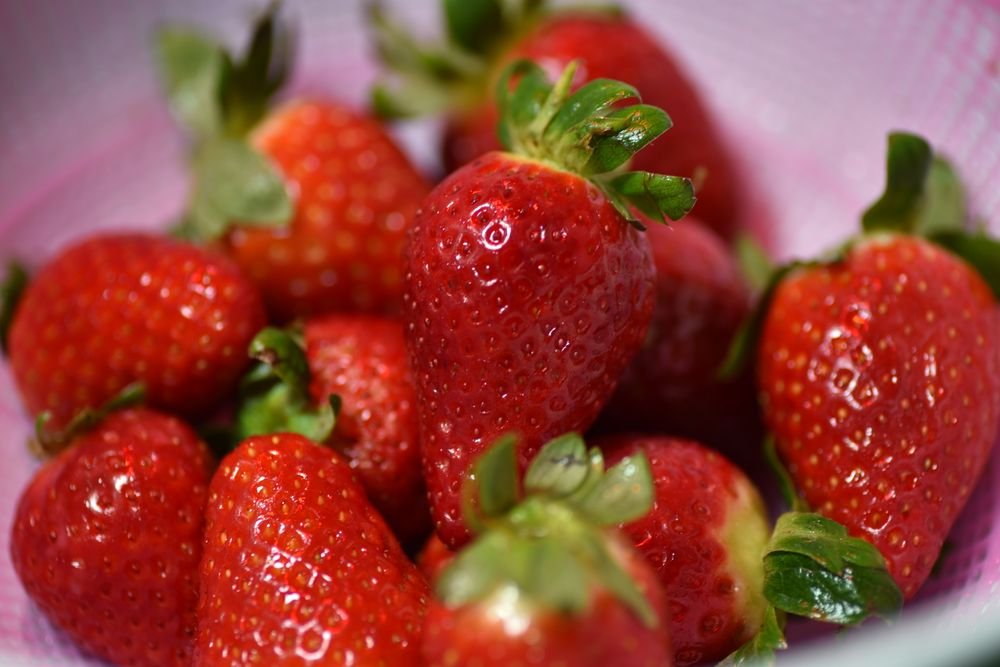
Walk into some grocery stores right now and you’ll find empty produce shelves where the strawberries should be. In others, the berries look smaller, feel softer, and cost noticeably more than they did last year. But here’s the thing — California farmers are simultaneously harvesting some of the largest early crops in years. Both of those things are true at the same time.
So what’s actually going on? The answer is more layered than a single headline can capture. This article breaks down what a “strawberry shortage” really means in practice, which regions are genuinely struggling and why, why strong California output doesn’t automatically fix what shoppers experience at retail, and what you can reasonably expect as the season continues.
What a “Strawberry Shortage” Actually Means
The word “shortage” gets used loosely, and that matters here. In practice, it can describe at least three different situations — and they have different causes and different solutions.
The first is a regional supply gap, where a specific growing area produces significantly less fruit than normal due to weather, disease, or labor problems. The second is a seasonal transition gap, which happens when one major growing region winds down and the next hasn’t started yet, leaving a natural window where supply thins out. The third — and arguably the most misunderstood — is a quality-driven shortage, where farms did produce fruit, but that fruit gets rejected before it ever reaches a shelf.
That third type is particularly relevant right now. When strawberries arrive at distribution warehouses soft, waterlogged, or showing early signs of mold — often because they ripened under wet, warm conditions — retailers reject the shipment rather than put questionable fruit in front of customers. Warehouses have reportedly been discarding or denying hundreds of thousands of strawberry cases per week when quality falls short. The shelves look empty not because farms produced nothing, but because what they produced didn’t pass inspection.
Understanding this distinction helps set realistic expectations. A shortage doesn’t always mean crops failed. Sometimes it means the fruit that exists isn’t good enough to sell fresh.
California’s 2026 Season Is Running Ahead of Schedule
If you’ve seen alarming shortage headlines, California’s 2026 strawberry season is a useful counterpoint. The Watsonville–Salinas growing district, which produces roughly 90% of U.S. strawberries, is experiencing what may be its most productive year in a decade.
Record-warm temperatures in February and March pushed the harvest two to three weeks earlier than typical. By early April, the district had harvested approximately 2.9 million crates — compared to around 230,000 crates in the same window in 2024. That’s not a typo. Early warmth essentially compressed months of gradual production into a shorter, more intense harvest window, generating significant early-season volume.
The longer-term picture also looks more stable than it has in years. UC’s breeding program has produced new strawberry varieties — including UC Eclipse, Surfline, Golden Gate, and Monarch — that are designed to improve disease resistance, yield consistency, and in some cases, suitability for mechanical harvesting. These varieties help growers reduce crop losses and maintain more predictable supply over time.
All of this means that any shortage consumers experience in 2026 is unlikely to reflect a coast-to-coast collapse in production. California is producing. The problems, where they exist, are more targeted than the headlines suggest.
Weather Events Are Compressing Local Seasons
While California’s output is strong overall, specific weather patterns are creating real strain in other parts of the country — and even in parts of California itself.
In North Carolina’s Triangle region, near-record spring temperatures hit strawberry farms hard. The early heat wave forced berries to ripen much faster than normal, which sounds like it would mean more fruit sooner, but it creates serious operational problems. Farms can only pick so fast. When everything ripens at once, labor capacity gets overwhelmed, some berries go overripe in the field before anyone can reach them, and pick-your-own seasons can end weeks earlier than local customers expect. What feels like a shortage to a family that shows up to a u-pick farm and finds it closed is actually a season that got squeezed from both ends by heat.
Within California, heavy rains in some growing areas have caused soil saturation that damages plants and reduces usable yield. Even when the state as a whole is performing well, individual farms or sub-regions dealing with waterlogged fields can contribute to quality problems that show up later at the warehouse level.
These weather-driven issues are local and temporary by nature, but they feed directly into the shortage headlines and the real-world gaps on store shelves.
Why Stores Sometimes Run Out Even When Farms Are Producing
This is the part of the story that often gets skipped in news coverage, and it’s worth spending a moment on.
When a truckload of strawberries arrives at a retail distribution center soft, wet, or showing early deterioration, the warehouse has two real options: accept it and put compromised fruit on the shelf, or reject it. Most major retailers reject it. Those rejected berries don’t disappear entirely — they often get redirected into processed products like smoothie blends, bakery fillings, or toppings — but they never reach the fresh produce section.
The result for shoppers is straightforward: limited fresh supply, higher prices for what does make the shelf, and berries that may look smaller or taste less sweet because growers harvested under suboptimal conditions.
Mexico can sometimes fill supply gaps when domestic production is tight, but it can’t always compensate fully, and Florida’s growing season has a defined start window around mid-December. That leaves certain months with a natural gap in domestic supply where retailers have fewer options, and any quality problems during those windows hit harder.
One Reddit discussion from an H-E-B shopper referenced internal retailer language describing a “nationwide shortage” — not because farms produced nothing, but specifically because rainy, warm growing conditions were producing fruit that couldn’t meet commercial fresh-market standards at scale. That’s the quality-culling mechanism playing out in real time.
How This Fits Into a Broader Produce Picture
Strawberries aren’t the only crop dealing with timing and quality pressure in 2026. Mid-year produce market reports indicate tight supply in categories like asparagus and peppers, with demand outpacing available supply in some regions. Raspberries have also been reported in very short supply, with late-season Mexican fruit arriving below acceptable quality standards at the border.
This broader context matters. Strawberry supply issues in 2026 aren’t happening in isolation — they’re part of a wider agricultural environment where weather volatility, rising production and logistics costs, and stricter quality standards are making the produce market more difficult to navigate for growers, distributors, and retailers alike.
For anyone tracking food business trends, resources like Start Business Advice cover how supply chain volatility affects markets across food retail and agriculture.
It’s also worth noting that not every “sold out” sign at a local farm signals a systemic crisis. Popular pick-your-own operations routinely sell out on busy days — that’s a function of demand at a single farm, not evidence of a national supply failure. Similarly, reports from some Michigan local farms suggest their seasons ended on a fairly normal schedule without widespread supply complaints. Local realities can look very different from regional or national averages.
What Consumers Can Reasonably Expect
The short version: conditions are uneven, and they’ll likely stay that way through parts of the season depending on where you live and where your retailer sources from.
If you’re finding limited fresh strawberries at your usual store, a few things may be happening simultaneously. Your retailer’s supplier may have had weather problems. The fruit in transit may not have met quality thresholds. Or you may be shopping during a regional transition window when domestic supply naturally thins out. None of these situations are permanent.
A few practical adjustments worth considering:
- Check local farms directly. Local availability often doesn’t mirror national supply headlines. A farm twenty minutes away may have a perfectly normal season while chain grocers in the same city are running low.
- Frozen strawberries are a genuine alternative. Frozen fruit is typically picked and processed at peak ripeness, which can mean better flavor than off-season fresh berries anyway.
- Expect prices to stay elevated during tight windows. When fresh supply is limited and quality is inconsistent, prices reflect that. This tends to normalize as growing seasons shift and new-crop volume comes in.
- Be flexible on timing. If California’s early harvest is strong, more supply may reach shelves in the coming weeks than current gaps suggest.
The Bigger Picture
The 2026 strawberry situation is a good example of how agricultural markets actually work — and how far that can be from the way shortages get described in the news. Production in the largest growing region is strong. Regional weather events are creating real but localized strain. Quality standards are removing significant volume from fresh retail channels even when farms did produce. And the gaps consumers see are real, even if they don’t reflect a universal or permanent collapse in supply.
The most honest summary is this: there is no single “strawberry shortage” in 2026. There are several overlapping, regionally specific problems that can produce the same empty-shelf experience at retail, for different reasons, in different parts of the country. Understanding which one applies to your situation helps explain what you’re seeing — and roughly how long it’s likely to last.
Read Also: