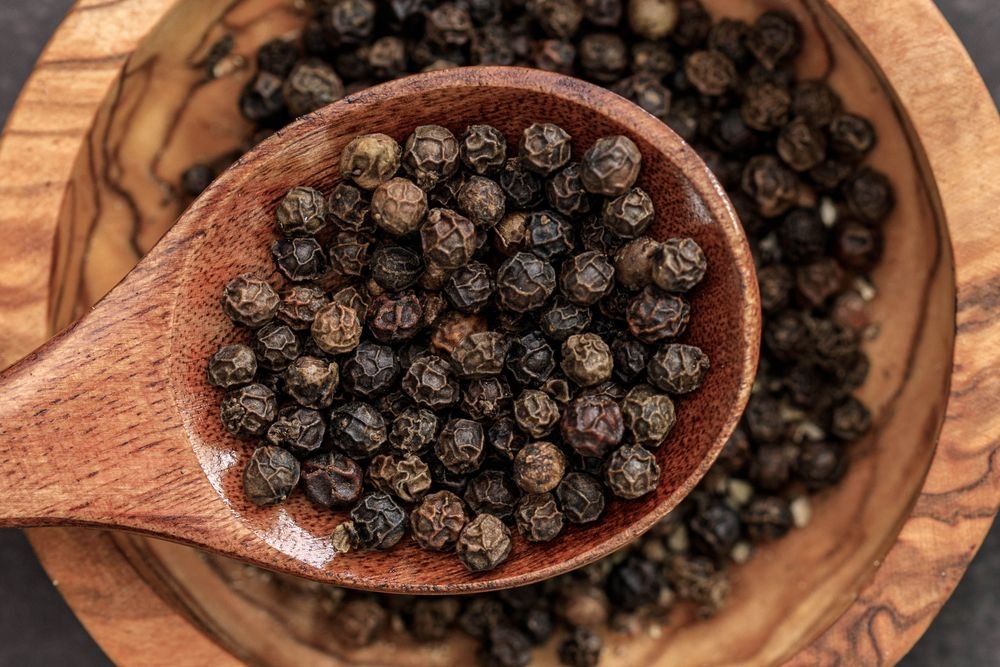
Black pepper sits on almost every kitchen counter and restaurant table in the world. It’s one of the most used spices on the planet. Yet over the past few years, prices have climbed sharply — and in 2025 and 2026, they reached record highs. Shoppers are noticing it on their grocery receipts, and the questions are piling up.
Is there actually a shortage? Why is this happening? And should you be worried about finding pepper on the shelf? This article walks through what’s going on, what’s driving it, and what it means for everyday shoppers right now.
Is There Actually a Black Pepper Shortage?
The short answer: it’s complicated. Black pepper hasn’t disappeared from store shelves. You can still buy it. But global supply is tighter than it’s been in years, and that tightness is showing up in prices rather than empty bins.
A more accurate way to describe the situation is a global supply squeeze. Inventories are down, demand has stayed steady, and that gap is pushing prices higher. The International Pepper Community described market conditions in early July 2026 as stable and balanced in the short term — which is worth noting. It suggests things aren’t in freefall.
That said, broader reporting still points to a firm price environment and limited signs of relief on the horizon. The most honest framing is that the market is volatile and uneven, not broken or permanently disrupted. Some shoppers will feel it more than others, depending on where they shop and what type of pepper they buy.
Why Vietnam Matters So Much to the World’s Pepper Supply
To understand why prices are moving, you need to understand how narrow the global pepper supply chain really is. Four countries — Vietnam, Brazil, India, and Sri Lanka — produce roughly 80% of the world’s black pepper. That’s a lot of the global supply concentrated in a very small number of places.
Vietnam sits at the top of that list. It’s the world’s largest producer and a dominant exporter. When Vietnamese output falls, the rest of the market feels it almost immediately. And that’s exactly what’s been happening. Reduced production in Vietnam has been the primary driver behind the current supply tightness.
Think of it like a traffic jam in a narrow pipeline. The pepper still exists. The farms are still there. But when output drops in one or two of the main origins, the pipeline slows down and costs go up. There isn’t enough spare capacity in other countries to quickly fill the gap.
Weather, Climate, and Crop Volatility Are the Root Cause
So why is Vietnam producing less? The answer, broadly, is weather. Unpredictable rainfall, drought, and climate-related disruptions have reduced yields across multiple growing seasons. Vietnam isn’t alone — Brazil, India, and Sri Lanka have all dealt with similar crop stress.
Black pepper is more sensitive to climate conditions than most people realize. It behaves less like a stable pantry staple — think salt — and more like a traded agricultural commodity. Its price can swing significantly based on a single harvest season, similar to coffee or cocoa. A bad growing season in a key region sends prices up. A good one brings them back down.
The concern is that this isn’t a one-season problem. Climate volatility makes crop forecasting harder and introduces ongoing uncertainty into supply planning. Farmers, traders, and buyers all operate with less predictability than they did a decade ago. That uncertainty gets priced in, and shoppers eventually absorb it.
It’s also worth being clear that weather isn’t the only factor here. Production declines, logistics pressure, and trade costs are all part of the picture. No single cause explains everything.
Shipping Costs and Tariff Risk Are Adding Pressure at the Consumer Level
Even if farm-level output were to stabilize tomorrow, that wouldn’t necessarily mean a quick drop in retail prices. Here’s why: the cost of getting pepper from a farm in Vietnam to a grocery shelf in the United States involves a lot of steps — and those steps have gotten more expensive.
Supply-chain bottlenecks and elevated shipping costs amplify price increases well beyond what harvest data alone would suggest. But there’s another layer on top of that: U.S. tariff policy. Import tariffs on goods from Vietnam and Brazil add further uncertainty for American buyers. If tariffs increase, prices at checkout can rise even if global supply has stabilized.
This layered cost structure helps explain why retail prices have moved so sharply. According to reporting from Allrecipes, black pepper prices tripled from January 2023 levels, and the 2025–2026 period saw record highs. That kind of movement isn’t purely about crop yields — it reflects a stack of pressures hitting at the same time.
Which Pepper Products Are Most Affected?
Not all pepper products are equally impacted. Where you shop and what you buy makes a real difference in what you’ll experience.
- Whole peppercorns, premium grades, and organic or steam-sterilized pepper are likely to stay tighter and more expensive. These products involve more specific sourcing and processing requirements.
- Pre-ground pepper in standard grocery formats may be more available but is still subject to price increases.
- Budget and store-brand options may be among the first to show selective shortages or significant price jumps, since these products operate on thinner margins and are more sensitive to supply costs.
- Higher-end retailers may still carry premium stock but at noticeably higher prices.
The impact is uneven rather than uniform. Some shoppers will walk in, grab their usual jar, and pay a bit more without much disruption. Others may find their preferred brand or format is simply unavailable at the price they’re used to paying.
Will Prices Come Down Soon?
This is the question most shoppers want answered, and the honest answer is: probably not quickly. The IPC’s early July 2026 market update offered some reassurance about short-term stability, which is worth holding onto. The market isn’t spiraling.
But the broader environment still points to elevated prices for the foreseeable future. Climate volatility doesn’t resolve in a single growing season. Shipping costs and tariff exposure don’t reset automatically. And global demand for black pepper hasn’t dropped — if anything, it’s remained firm.
A meaningful price correction would likely require several things to align: improved harvests in Vietnam and other major producers, easing of logistics costs, and favorable trade conditions. That’s possible, but it would take time. Anyone banking on a quick return to pre-2023 prices may be disappointed.
What Shoppers Should Know Right Now
If you’re wondering whether to stock up or change how you shop, here are a few grounded takeaways.
Pepper is still available. This isn’t a situation where you need to panic-buy. The supply squeeze is real, but shelves are not empty. The bigger issue is cost, not scarcity — at least for now.
Whole peppercorns tend to offer better value. If you use a lot of black pepper, buying whole peppercorns in bulk and grinding them yourself can stretch your budget further than buying pre-ground. They also tend to have more flavor.
Watch for price increases at checkout. If you haven’t noticed yet, you may soon. This is a good time to pay attention to unit prices when comparing brands and package sizes, since retailers sometimes quietly reduce package sizes rather than raising the sticker price.
Tariffs could make things worse before they get better. For U.S. shoppers specifically, trade policy adds a layer of unpredictability that goes beyond farming conditions. It’s not possible to predict exactly how this plays out, but it’s worth being aware that prices could move further upward depending on policy decisions.
For anyone thinking more broadly about supply-chain awareness and how global trade disruptions ripple into everyday purchases, Start Business Advice covers topics like sourcing, pricing pressures, and economic trends that affect both businesses and consumers.
The Bigger Picture
Black pepper has been traded globally for centuries. It’s one of the most established spice markets in the world, and that scale provides some natural resilience. The current situation is not a permanent collapse — it’s a period of elevated prices and supply volatility driven by a combination of climate stress, trade friction, and logistics pressure.
What makes it feel more significant is how common black pepper is. People don’t expect the spice in their pepper grinder to reflect geopolitical and climate risk. But it does — and right now, the market is making that unusually visible.
The most useful mindset is informed patience. Keep an eye on prices, buy what you need without overpaying, and don’t assume the current level is the new permanent reality. Markets adjust. Harvests recover. But in the meantime, expect to pay more for your pepper than you did a few years ago.
Read Also: