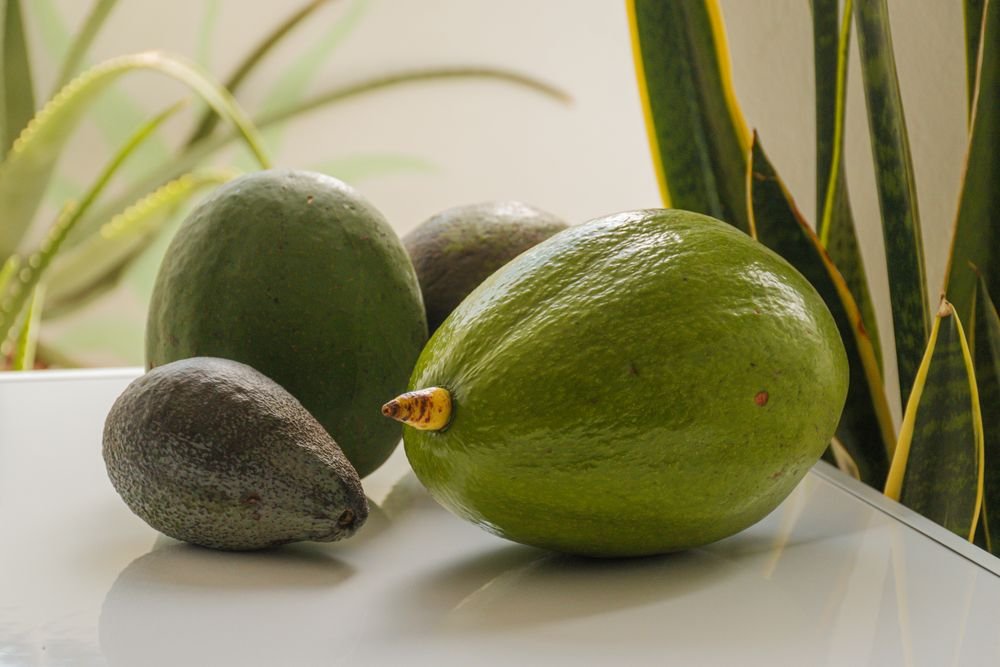
If you’ve noticed that avocados seem a little pricier lately, or that the usual bulk deals have quietly disappeared, you’re not imagining it. Shoppers and buyers across the U.S. are seeing tighter stock, smaller fruit, and higher prices at the register. There are real reasons behind it — and they’re worth understanding.
This article breaks down what actually caused the current supply squeeze, why Mexico’s role in all of this matters so much, what force majeure declarations mean in plain terms, where supply is coming from now, and how long this situation is likely to last.
This Is a Supply Squeeze, Not a Crop Collapse
First, let’s set the record straight. Avocados haven’t vanished. This isn’t a story about failed harvests or a fruit disappearing from the food system. What’s happening is better described as a market tightening — supply is running lower than normal relative to demand, and that gap is showing up in prices and consistency rather than empty shelves.
What shoppers are more likely to experience is fewer promotional deals, smaller fruit sizes, and less reliable stock week to week. A “shortage” in commodity markets usually means scarcity at a given moment, not a permanent situation. That distinction matters before diving into the causes.
Industry sources including Blue Book Services and AgNet West describe the situation as a 25–30% shortage tied to a cluster of overlapping factors. That’s significant, but it’s also recoverable. USDA forecasts suggest Mexico’s overall avocado export volume for 2026 remains large, which supports the view that this is a short-term imbalance rather than a structural collapse in supply.
Several Factors Hit the Market at Once
There’s no single villain in this story. The current squeeze came from several pressures stacking on top of each other at roughly the same time.
Slowed Inspections During the Holiday Period
Reduced USDA inspection activity during a holiday window slowed the pace at which shipments could clear and move into U.S. markets. When inspections slow down, so does the flow of product — even if the avocados themselves are ready to ship.
Weather Delays on the Trucking Side
Weather-related disruptions added another layer of friction. Trucking delays across the border meant that physical movement of avocados was slower than normal, stretching timelines and adding pressure to already tightening supply chains.
The Mexican Season Was Winding Down
Mexican avocado harvests naturally taper off as the season moves into its later stage. Less fruit is available from the fields, which means packers and buyers have fewer options to work with. That seasonal shift alone would tighten the market — combined with the other disruptions, the effect was sharper than usual.
Growers Holding Back and Prices Climbing
Fruit Today reported that some growers chose to withhold harvests rather than sell into a crowded market. As packers competed for the remaining available fruit, field prices climbed. That competition pushed costs up the chain before the avocado ever reached a store shelf.
Quality Concerns Reduced Usable Volume
AgNet West also noted that Mexican fruit quality issues played a role. When a portion of what’s harvested doesn’t meet export standards, the effective supply shrinks further — even if raw harvest numbers look acceptable on paper.
None of these factors caused the shortage on their own. They compounded each other, which is why the market moved as quickly as it did.
Why Mexico’s Supply Defines the U.S. Avocado Market
To understand why a dip in one country’s output creates this kind of ripple effect, you need to know just how dominant Mexico is in the U.S. avocado supply chain.
According to RFD-TV, Mexico accounted for approximately 83% of U.S. fresh avocado import volume in 2025. That level of concentration means any disruption — seasonal, logistical, or quality-related — lands with significant force on American buyers, restaurants, and grocery stores.
When Mexican volumes fall, wholesale carton prices can spike fast. There simply isn’t enough volume from other sources to immediately absorb the gap. Think of it like a busy highway where most of the trucks suddenly slow down. The fruit still exists somewhere in the system, but the slower movement creates delays and inflates costs before anything reaches the destination.
That’s why the end of Mexico’s peak season isn’t just a footnote in trade reports — it translates directly into what shoppers pay at checkout.
What Force Majeure Declarations Mean for Buyers and Stores
Two major names in the avocado industry — Mission Produce and Westfalia Fruit — declared force majeure during this period. That term gets thrown around in business coverage without much explanation, so here’s what it actually means.
Force majeure is a legal clause in contracts that applies when circumstances outside a company’s control prevent them from meeting their obligations. Declaring it is a formal notification to partners that full delivery won’t be possible — not a sign that operations have shut down.
In practical terms, buyers who had contracted volumes of Mexican avocados may receive less product than planned, or face delays in fulfillment. For grocery chains or restaurant groups that locked in supply agreements expecting steady Mexican sourcing, this creates a real problem. They may need to reduce portion sizes, adjust prices on menu items, or scramble to find product elsewhere.
Both companies, according to FreshFruitPortal, were working to redirect available volume from alternative origins — Peru, Colombia, and California — to partially cover the shortfall. That’s a helpful buffer, but it doesn’t fully replace Mexican supply at the volumes U.S. buyers are accustomed to.
Where Supply Is Coming From Now
The good news is that the U.S. market isn’t limited to a single source, even if Mexico dominates it. Peru, Colombia, and California all contribute to the supply picture, particularly as the Mexican season winds down.
California avocados tend to peak in late spring and early summer, which lines up reasonably well with the period when Mexican volumes thin out. Colombian and Peruvian fruit can also help bridge gaps, though neither country ships at the scale Mexico does. AgNet West noted that some easing of supply pressure was expected as California and Colombian volumes came into better availability later in the season.
For those tracking business strategy in the food and agriculture space, Start Business Advice covers related topics on supply chain decisions and market positioning that can help frame how businesses respond to exactly these kinds of disruptions.
The shift to alternative sourcing does help stabilize the market, but it also tends to come with a cost. Different origins mean different freight routes, handling logistics, and pricing structures. Buyers often pay more for fruit sourced quickly from secondary markets during a gap period.
How Long This Is Likely to Last
The honest answer is that the most acute pressure appears to be tied to specific, temporary factors — holiday inspection slowdowns, seasonal Mexican supply tapering, and short-term trucking disruptions. Those conditions don’t last indefinitely.
The USDA Foreign Agricultural Service’s forecast for 2026 projects Mexico’s avocado export volume to remain substantial overall. That suggests the underlying production capacity is intact and that this period of tighter supply reflects a seasonal and logistical imbalance rather than a longer-term production problem.
As alternative sources ramp up and Mexican orchards move into their next cycle, supply conditions should gradually normalize. But “gradually” is doing real work in that sentence. Shoppers and buyers should expect elevated prices and tighter availability to persist for some time before returning to the promotional levels they were used to seeing.
What This Means for Shoppers and Businesses
For everyday shoppers, the most visible effects will likely be higher per-unit prices and fewer deals on bulk bags or multi-packs. Avocados will still be available — just not as cheaply or consistently as before.
For restaurants, the impact can be sharper. Businesses that rely on steady avocado volumes for items like guacamole, grain bowls, or toast dishes may need to make short-term adjustments. That could mean smaller portions, higher menu prices, or temporary substitutions.
For buyers and procurement teams in the grocery and foodservice space, the current situation is a useful reminder of how quickly a concentrated supply chain can tighten. Eighty-three percent dependence on a single country means very little buffer when that country’s supply hits a rough patch — even a temporary one.
The avocado shortage isn’t a crisis, but it is a real market event with practical effects. Understanding what’s driving it is the first step to navigating it without overreacting or being caught off guard.
Read Also: