Search “Daniel Broderick III” online and you’ll find a confusing mix of results. There are genealogy entries, true-crime references, and some commercial biography pages that describe people who don’t match the historical record at all. It’s hard to know where to start.
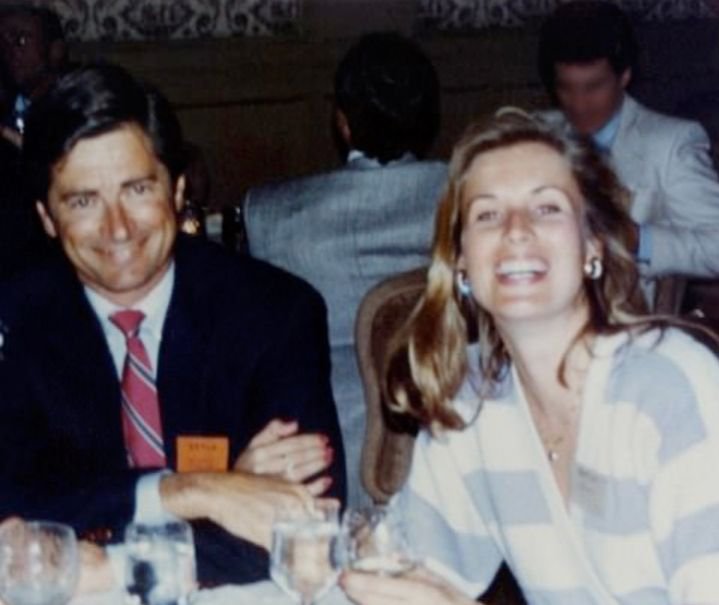
This article cuts through that noise. It focuses on Daniel Thomas Broderick III — born in 1944, died November 1989 — a San Diego attorney whose name became nationally known not through entertainment, but through a tragic and widely covered criminal case.
Who Was Daniel Broderick III?
Daniel Thomas Broderick III was a San Diego-based lawyer and physician. He was not a celebrity in the entertainment sense. He was a working attorney with a strong professional reputation in his city.
His name became well known nationally because of a high-profile murder case — not because of television, music, or public performance. That distinction matters, especially because some commercial “net worth” and biography websites list a person under the same name with details that don’t match archival newspaper reporting on the 1944–1989 attorney. Those pages should not be treated as reliable sources.
The Daniel Broderick III covered here is confirmed by Los Angeles Times reporting from 1989, 1990, and 1992. That’s the factual baseline for everything in this article.
His Education: A Lawyer and a Doctor
One of the most common questions about Broderick is whether he was a lawyer, a doctor, or somehow both. The answer is both.
According to Los Angeles Times reporting, Broderick held a degree from Harvard Law School and a degree from Cornell School of Medicine. These two credentials gave him an unusual professional foundation.
He chose to build his career in law rather than clinical medicine. But his medical background wasn’t unused — it gave him a clear edge in medical-malpractice litigation. Understanding the clinical details of a case from the inside, the way a physician would, is a real advantage when arguing those cases before a jury.
That combination of legal and medical training helped shape his reputation as one of San Diego’s leading attorneys in this area of law.
His Legal Career in San Diego
Broderick built his practice around personal-injury and medical-malpractice litigation, working on the plaintiff side. That means he represented people who had been harmed — patients who believed they had received substandard medical care and were seeking accountability.
Contemporary reporting described him as one of San Diego’s prominent attorneys in this field. He wasn’t an obscure figure. He had earned real standing among his peers in the local legal community.
One measure of that standing: he served as president of the San Diego County Bar Association during the 1980s. That kind of leadership role isn’t handed to someone without a track record. It reflects professional respect from the people who know that world best.
By the time his name appeared in national headlines in 1989, Broderick had already spent years building a credible, well-regarded legal career in Southern California.
His Marriage to Betty Broderick and Their Family
Broderick met Elisabeth Anne Bisceglia — known as Betty — while they were both students. They married in April 1969 and eventually settled in California.
Together, they had four children: two daughters and two sons. Their marriage lasted approximately 16 years before ending in divorce in 1985.
The divorce did not proceed quietly. It became contentious and was followed by years of documented conflict between the two. The details of that conflict became part of the public record through court proceedings and media coverage.
The couple’s children are private individuals. This article won’t include unnecessary personal details about them. What can be said is that they were caught in the middle of a prolonged and difficult family breakdown, and they were present at the events that followed.
His Second Marriage and Death in 1989
In 1989, Daniel Broderick married Linda Kolkena. The marriage came years after his divorce from Betty and was another source of tension in the already fraught post-divorce relationship.
In November 1989, Broderick and Kolkena were killed at his San Diego home. Betty Broderick was arrested in connection with the killings.
The November 1989 Los Angeles Times article covering the event confirmed both victims’ identities and Betty Broderick’s arrest. The reporting also highlighted Broderick’s professional profile — describing him as a well-known medical-malpractice lawyer and former president of the San Diego County Bar Association — giving readers a sense of who he was beyond the circumstances of his death.
His four children and other relatives attended the funeral, according to a contemporaneous Los Angeles Times account.
The Criminal Case That Followed
Betty Broderick was charged in connection with the killings and faced two separate trials. The first ended without a verdict. The second resulted in a conviction.
According to Los Angeles Times reporting from 1992, she was convicted of two counts of second-degree murder. The case drew sustained national media attention, in part because of the long, bitter divorce history that preceded the killings.
It’s worth being clear about something: the criminal case involved allegations, competing accounts, and contested narratives. Courts weigh that evidence carefully. This article presents only what court outcomes and reliable reporting have confirmed — not claims or characterizations made by either side during proceedings.
The case has since been the subject of television dramatizations, true-crime documentaries, and podcasts. That ongoing media attention is a large reason why “Daniel Broderick III” continues to be searched today. Many readers are encountering his name through those productions and looking for factual background.
Why He Still Comes Up in Searches
Daniel Broderick III died in 1989. More than three decades later, people are still searching his name. There are a few reasons for that.
The Betty Broderick case became a touchstone in discussions about divorce, family law, and domestic conflict. It was dramatized in television movies and later revisited in true-crime formats. Each new production brings a new wave of readers looking for the facts behind the story.
There’s also the internet’s tendency to mix things up. Genealogy databases, user-submitted memorial pages, and low-quality biography sites all pull in searches for his name. Some of those pages describe entirely different people. That’s why it helps to have a clear, source-based profile in one place.
For those doing research — whether for personal interest, academic purposes, or journalism — resources like StartBusinessAdvice remind us how important it is to distinguish reliable primary sources from content that simply ranks well online.
The strongest sources for Broderick’s life and career remain archival Los Angeles Times reporting. Genealogy platforms like FamilySearch and Find a Grave can be useful starting points for dates and family connections, but user-contributed entries need to be checked against independent sources before being treated as fact.
What We Know — and What We Should Leave Open
Some details about Daniel Broderick III are well-documented. His Harvard Law and Cornell Medical degrees are confirmed. His medical-malpractice career and Bar Association presidency are confirmed. His marriage to Betty in 1969, their four children, and their 1985 divorce are confirmed. His 1989 marriage to Linda Kolkena and their deaths that same November are confirmed.
Other details — including specific claims about his early family background — come from user-submitted genealogy entries that haven’t been independently verified by major news sources. Those details are worth noting as possible leads, but not as settled facts.
What should be avoided entirely: speculation about his personality, his motives in the divorce, or anything that frames him as a character in a drama rather than a real person. He was a practicing attorney, a father of four, and someone whose life ended in a tragedy that also took Linda Kolkena’s life.
A Final Note
Daniel Thomas Broderick III was not famous in the way actors or musicians are famous. He was a well-respected San Diego lawyer with a serious professional record. His name became part of the national conversation because of what happened to him — not because of anything he did in public life.
The most useful way to understand him is through that lens: a private professional whose life, marriage, divorce, and death became matters of public record through circumstances largely outside his control.
For anyone researching this case, sticking to established reporting is the most reliable path. The archival record is clear enough to give a fair picture of who he was and what is actually known about his life.
Read Also: