When people search for Fannie Ann Jones, they are usually trying to learn about the family behind one of hip-hop’s most well-known artists. Nas has been a major figure in rap music for decades, and curiosity about his background naturally leads people toward his parents — including his mother.
This article covers what is actually known about Fannie Ann Jones, her connection to Nas and musician Olu Dara, and how her name appears across different sources. It also explains where the available information comes from, so you can judge its reliability for yourself.
Who Fannie Ann Jones Is
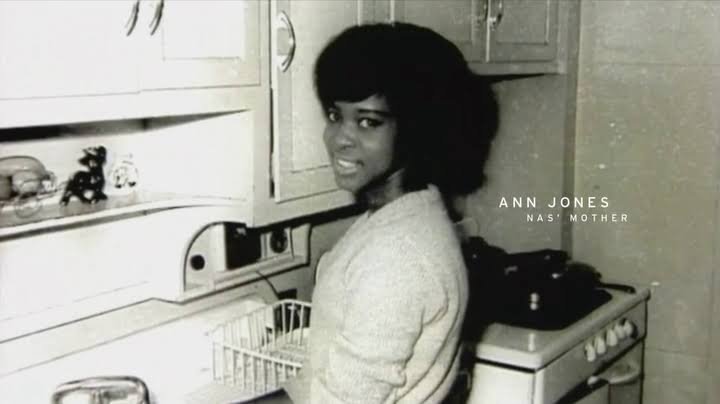
Fannie Ann Jones is identified in biographical and genealogy sources as the mother of rapper Nas, whose full name is Nasir bin Olu Dara Jones. She is not a public figure or entertainer in her own right.
Her name surfaces almost entirely because of her son’s fame and her connection to jazz and blues musician Olu Dara. Outside of that family context, she does not appear to have a public profile, a celebrity biography, or a documented career in entertainment.
Most references to her come from family-tree platforms and secondary celebrity biography sites. Platforms like Geni and The Famous People both identify her as Nas’s mother. These are useful starting points, but they are not the same as independently verified records, published interviews, or archival journalism.
Her Name Variations and Why They Appear Differently Across Sources
If you have searched for Fannie Ann Jones in genealogy databases, you may have noticed two versions of her name. Some sources list her simply as Fannie Ann Jones. Others use Fannie Ann Little Jones.
The Famous People, for example, lists the variant “Fannie Ann (Little) Jones.” The word “Little” may reflect a family name or maiden name, but no publicly available birth or marriage record has been cited to confirm this detail.
If you encounter both forms while doing your own research, you are most likely looking at the same person. However, the naming difference should not be treated as fully resolved without a primary source backing it up. Name variations like this are common in celebrity family-tree research and do not automatically imply two different individuals.
Her Relationship With Olu Dara and Their Family
Fannie Ann Jones was formerly married to, or partnered with, Olu Dara — the jazz and blues musician born Charles Jones III. Nas is the most publicly recognized child from that relationship.
IMDb’s biography page for Olu Dara identifies Fannie Ann Jones as his former spouse and notes that the couple had two children. However, a complete and independently verified family record is not available in the sources reviewed for this article, so that figure should be understood as a reported detail rather than a confirmed one.
The family background is interesting in terms of contrast. Olu Dara built his career in jazz and blues — a musical world quite different from the hip-hop Nas would go on to define. That mix of influences likely shaped the household Nas grew up in, even if the details of his early home life are not fully documented in public sources.
What Sources Say About Her Background and Occupation
The Geni profile for Nas includes a brief description of Fannie Ann Jones as a Postal Service worker with roots in North Carolina. This is a useful piece of family context, but it comes from a user-contributed genealogy platform.
Geni profiles can be accurate, but they rely on information submitted by users rather than verified through official records. So while the detail about her working for the Postal Service is worth noting, it should be understood as coming from that platform rather than from a published interview or confirmed biographical record.
Beyond that, very little is publicly documented about her education, personal history, or life outside her family. No widely sourced profile, obituary, or published interview appears to exist for her. She is best understood as a private person who has lived outside the public eye, despite being the mother of one of rap’s most studied artists.
Nas’s Ancestry and the Broader Family History
Some readers searching for Fannie Ann Jones may have come across references to Nas’s ancestry through the PBS program Finding Your Roots. This is worth addressing clearly, because the family history explored on that show goes much deeper than what is known about Fannie Ann Jones personally.
On the program, genealogical researchers traced several generations of Nas’s family history. One significant discovery involved an 1859 bill of sale connected to Nas’s third-great-grandmother, Pocahontas Little. That document reflects the history of slavery in America and was presented to Nas as part of the research into his ancestry.
The name “Little” appearing in that ancestral line may be why some sources use “Fannie Ann Little Jones” as a name variant. However, connecting the two without a verified paper trail would be speculative. The Finding Your Roots research relates to Nas’s broader ancestry — it is not direct biographical evidence about Fannie Ann Jones’s own life or personal history.
What the program does show is that Nas’s family history runs deep, stretches across generations, and carries real historical weight. For a more general look at how public figures navigate questions of career, family, and background, resources like Start Business Advice offer useful perspective on public profiles and professional identity.
Why Her Name Appears in Genealogy Searches
It is worth explaining why someone searching casually online might find Fannie Ann Jones’s name scattered across different websites and databases.
When a celebrity becomes well known, family-tree enthusiasts and genealogy researchers often build profiles around them and their relatives. These profiles appear on platforms like Geni, MyHeritage, and FamilySearch. Because Nas is a major public figure, his family tree — including his mother’s name — gets indexed alongside his biography.
Readers who want to continue researching Fannie Ann Jones independently would be better served by looking at platforms like FamilySearch, which combines family trees with historical records such as census data, birth and marriage records, and other primary documents. That approach is more reliable than relying on secondary celebrity biography pages.
It is also worth keeping in mind that search results for any private family member of a celebrity can include noise — pages that mix unrelated people with similar names, or low-quality sites that repeat unverified claims. Careful reading and source-checking matter here.
What Can and Cannot Be Said With Confidence
To summarize clearly what the available sources actually support:
- Fannie Ann Jones is identified as the mother of Nas across multiple sources, including Geni, The Famous People, and IMDb.
- She was formerly married to or partnered with jazz and blues musician Olu Dara.
- Her name appears in two forms — Fannie Ann Jones and Fannie Ann Little Jones — with the variation likely reflecting a family or maiden name.
- Geni describes her as a Postal Service worker with roots in North Carolina, though this comes from a user-contributed source.
- She does not appear to have a public career or an independent biography beyond her role as Nas’s mother.
What cannot be stated with confidence includes her exact birth date, any verified life story details, the full number of children she had with Olu Dara, or whether “Little” is confirmed as a maiden name. Those details have not been supported by primary sources in the information reviewed for this article.
A Private Person Connected to a Public Name
Fannie Ann Jones is, by all available evidence, a private person. She did not seek public attention, and she has not been the subject of journalism, profiles, or entertainment coverage on her own terms.
The reason her name appears in searches is straightforward: her son became one of the most respected and studied figures in hip-hop history, and that level of fame naturally draws curiosity toward his family. That curiosity is understandable, but it is worth recognizing that most of what exists about her comes through secondary or user-generated sources.
If you are researching her for genealogical reasons, use platforms that connect to primary records rather than relying solely on aggregated celebrity biography pages. And if you are simply curious about the woman who raised Nas, the honest answer is that the public record is limited — and that limitation itself says something about how carefully she has kept her life private.
Read Also: